Borehole Drilling·February 8, 2026
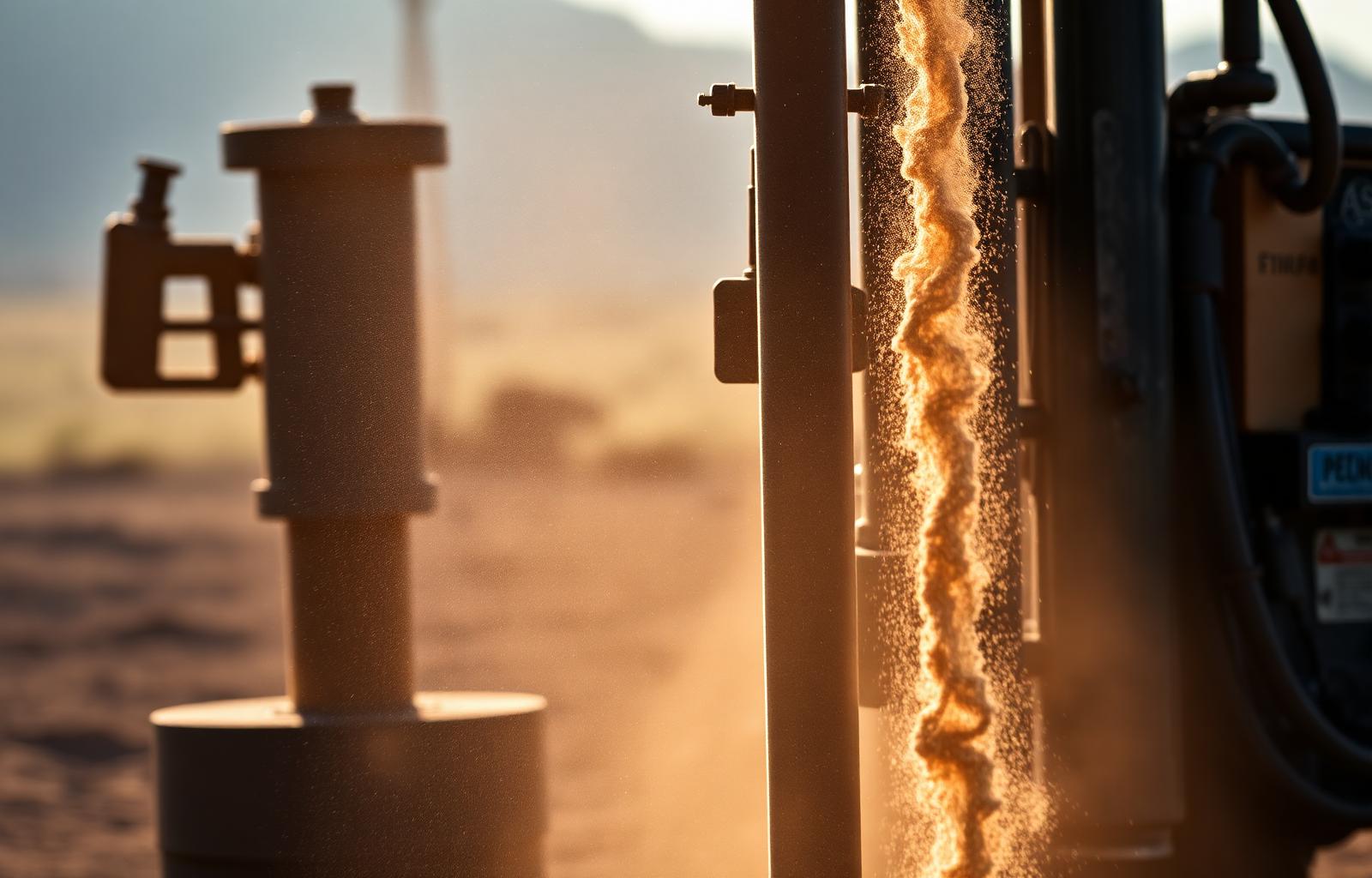
What a good borehole survey actually looks like
Half of failed boreholes failed at the survey stage. Here's the geophysical workflow we run before we ever bring a rig on site.
Read more

Geo-survey, drilling, equipping, and water treatment for sustainable supply.
Reliable water, anywhere
From hydrogeological survey to drilling, casing, equipping, and water-quality treatment — we deliver dependable potable water systems for homes, farms, schools, and municipalities.
A dry hole is the most expensive hole you will ever drill — so our borehole practice begins with data, not intuition. Every project starts with a geophysical survey using vertical electrical sounding and electromagnetic profiling, cross-referenced against regional hydrogeology to site the well with greater than 85% accuracy. We publish the survey report — expected yield, recommended casing depth, pump sizing — to the client before a rig ever moves on site. Then we drill, case, equip, and treat to deliver dependable potable water for homes, farms, schools, and municipalities. We have drilled 480+ wells, and we ring-fence 15% of our annual drilling capacity for subsidised boreholes in underserved communities.
VES and EM profiling map subsurface resistivity to site the well on data, not guesswork.
We publish expected yield, casing depth, and pump sizing before drilling begins.
Drilling, casing, pump installation, and storage — built for the long term.
Water-quality testing, treatment if needed, and an ongoing maintenance schedule.
Concrete outputs you can expect from an engagement with this service line.
Half of failed boreholes failed at the survey stage. Here's the geophysical workflow we run before we ever bring a rig on site.
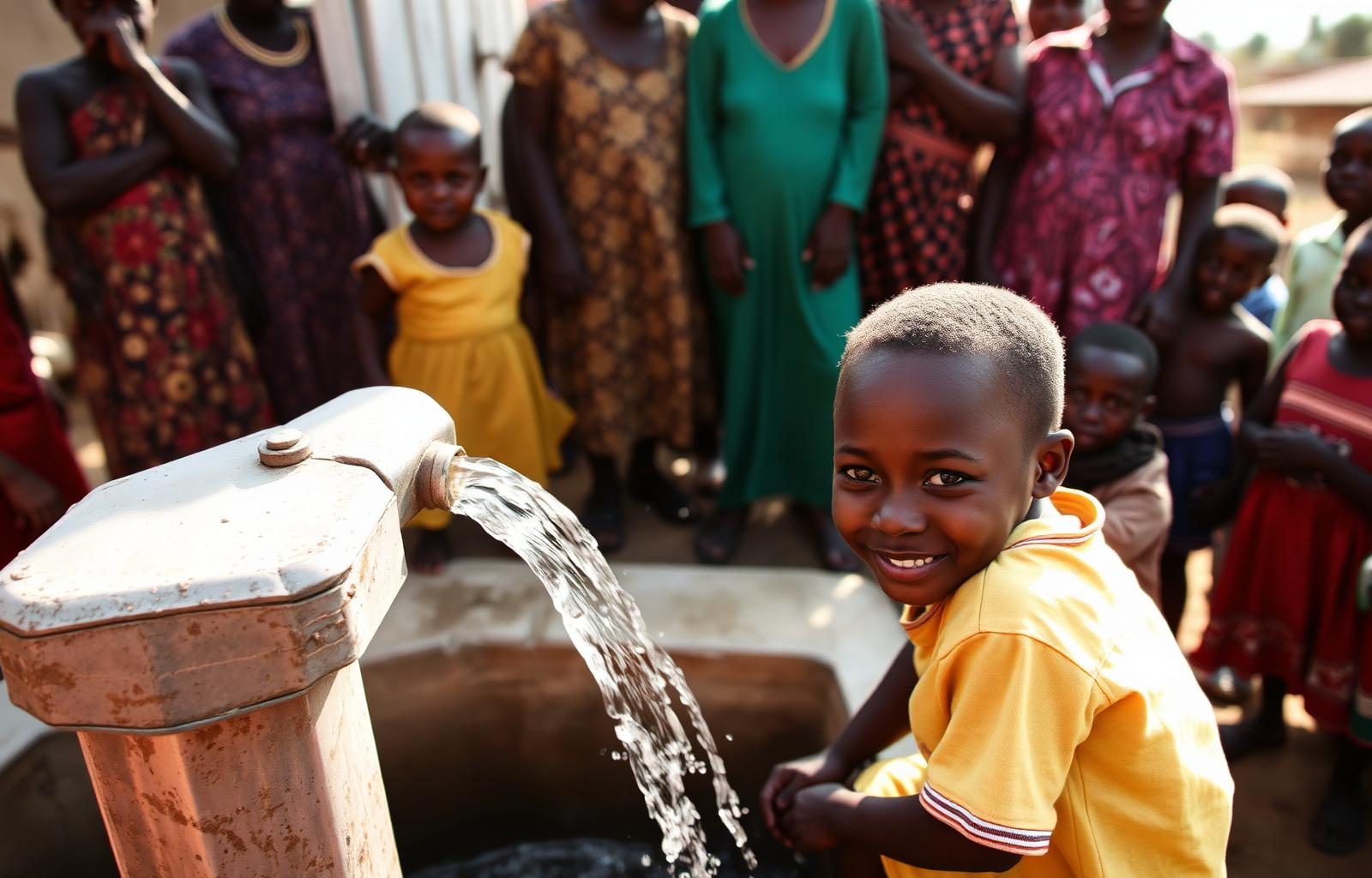
Why we're allocating 15% of borehole capacity each year to underserved communities.

A new borehole in the eastern cluster brings the programme total to 42 wells and an estimated 38,000 residents reached.
A senior lead from this practice will respond within one business day.